Buy plastic crates and bulk containers
You can buy plastic crates and bulk containers from us new, used or refurbished, quoted to your footprint, height and delivery ZIP. Tell us what the box must do and how many you need; we come back with the exact container, its condition, and freight to your dock as separate lines.
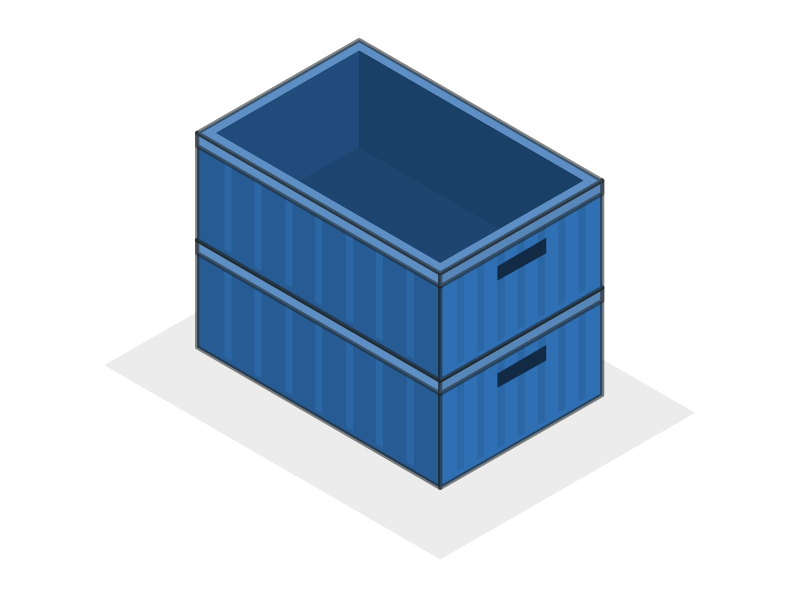
- Conditions
- New, used, refurbished
- Quoted by
- Footprint, height, wall, deck, doors
- Freight
- LTL or full truckload
- Coverage
- Delivery quoted nationwide
- Used lots
- Graded A, B or C, with photos
-
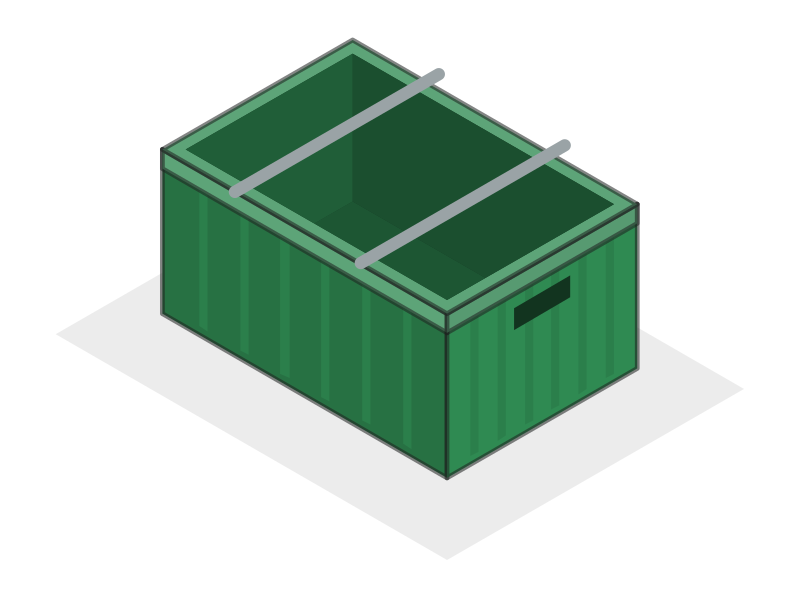 New containers
When new plastic crates and bulk containers beat used, what to specify, which maker part numbers to quote, and the minimums to ask about.
-
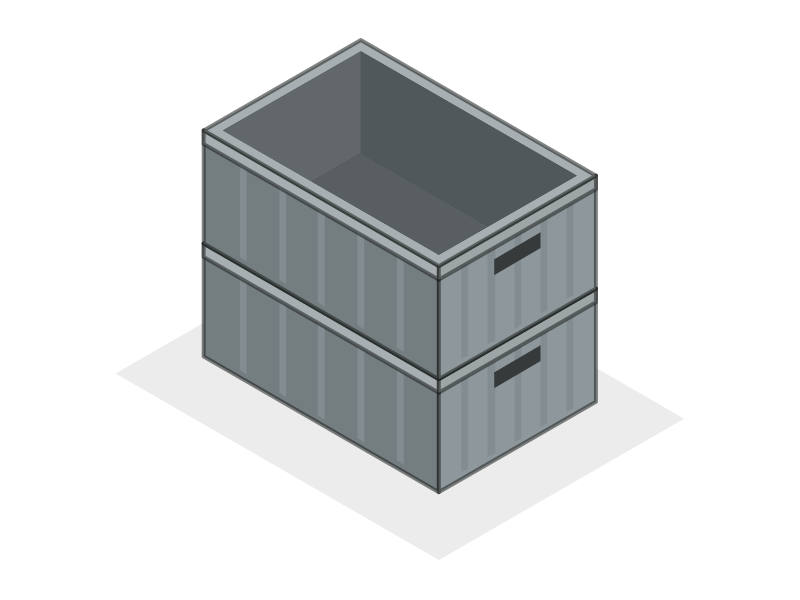 Used crates and totes
Where used plastic crates and totes come from, what to inspect on rims, handles and corners, the food-contact question, and how to buy a mixed lot.
-
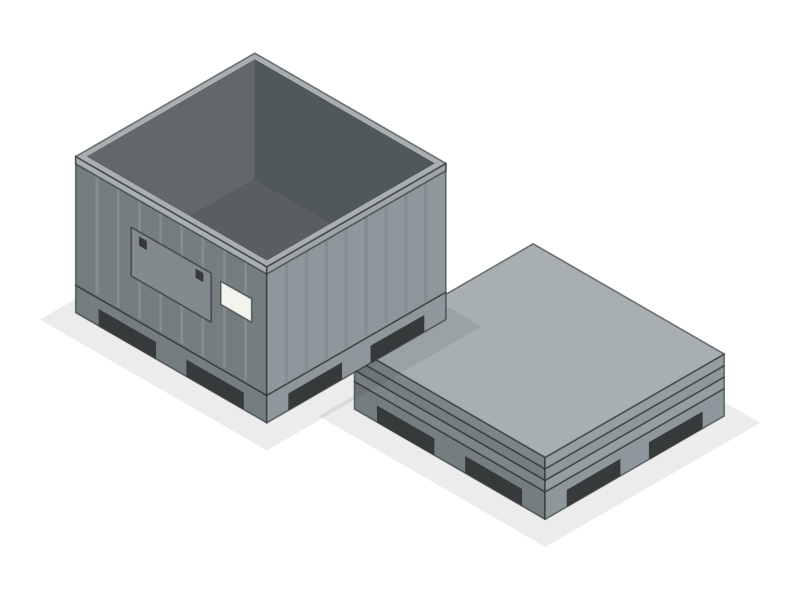 Used collapsibles
Buying used 48x45 or 48x40 collapsible bulk containers: hinge pins, latches, drop doors, deck, fork pockets, lids, old labels and a folding test.
-
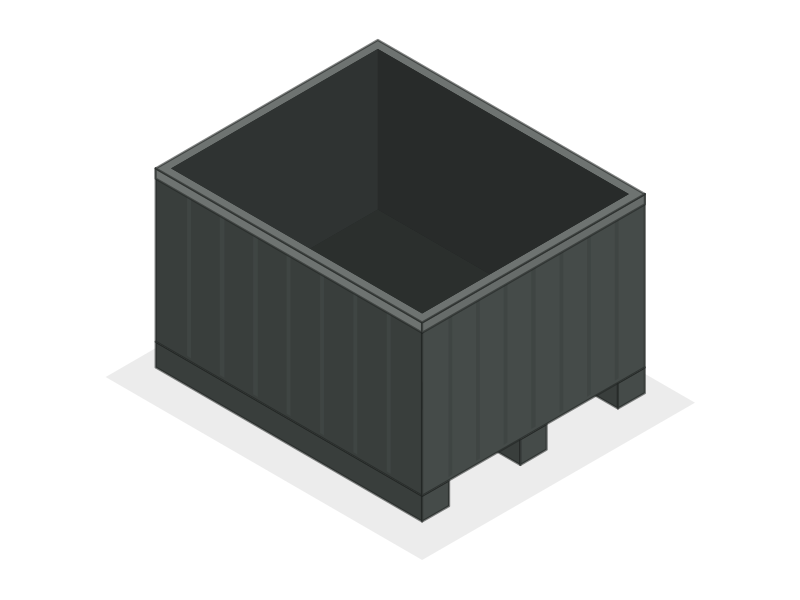 Used bulk bins
Used one-piece bulk bins and plastic pallet boxes: what wears on runners and rims, solid vs vented walls, previous contents, cleaning and lids.
-
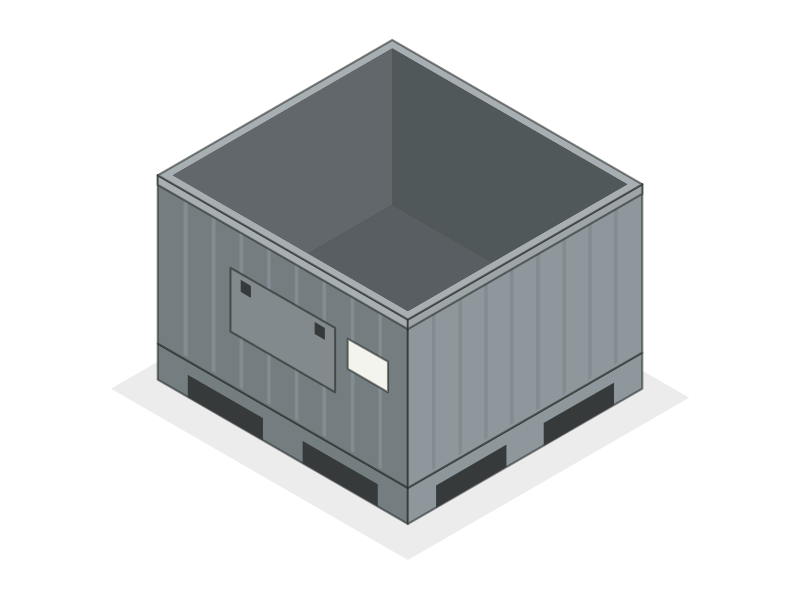 Refurbished containers
What refurbishing a bulk container covers, from replaced walls and latches to washing and label removal, what can't be fixed, and when it beats new or used.
-
How ordering works
How ordering plastic crates and bulk containers works, step by step: describe the load, get a matched quote, confirm grade and photos, freight and receiving.
New, used or refurbished
New is the right call when the spec is fixed: a named part number, a food line that needs current maker documents, or a program where every unit must match. You get the maker's sheet, fresh resin and a consistent color. More on buying new.
Used is retired working stock from plants, growers and distributors. It costs less, it is often available in volume, and it suits closed loops where looks do not matter. Each lot gets a grade and photos. How we quote used, with pages for used collapsibles and used bulk bins.
Refurbished sits between them: used units that have been washed, had labels stripped, and had worn parts such as doors, latches or hinge pins replaced. It is the usual answer when a buyer wants used pricing but fewer surprises at receiving. Some refurbishers also weld cracked ribs, sand off old stencils or fit new skids, so ask exactly what was done to the lot you are offered. What refurbishing covers.
How to describe what you need
A good request names the box the way a receiving clerk would check it. Lead with the footprint and height, then the features that change the price, then the count. If you are replacing containers already in service, a photo of one with a tape measure across it is worth a page of description.
- Type: stacking crate, nest-stack tote, attached-lid container, collapsible bulk container, rigid bulk bin, macro bin.
- Footprint and height, outside, in inches (or millimetres for euro containers).
- Wall and deck: vented or solid, and whether you need drain holes.
- Doors: none, one or two drop doors, and on which side.
- Lids, dunnage or dividers, if the box needs them.
- Quantity, condition you will accept, and the grade floor for used.
- What goes in it, especially if it touches food.
- Delivery ZIP, dock or no dock, and the week you need them.
LTL or truckload
Plastic containers are light for their size, so a trailer usually fills by space before it fills by weight. That shapes the freight choice. Less-than-truckload (LTL) moves a few pallets or bulk units on a shared trailer and is priced on space, weight, freight class and distance, plus extras such as a liftgate or a delivery appointment. It suits small orders and trial quantities.
A full truckload is a dedicated 53-foot trailer priced per load. Once an order fills most of a trailer, it is often cheaper per unit than LTL and arrives without terminal handling. Folding units change the arithmetic: one maker lists its 48x40x45 collapsible at 88 per trailer standing and 128 folded. Use Trailer Fill to estimate your count before you ask.
What our quote includes
If a line is missing, ask. We would rather show freight separately than fold it into a unit price you cannot compare.
| Line | What it tells you |
|---|---|
| Container | Type, footprint, height, wall, deck, doors, lids or dunnage |
| Condition | New, used or refurbished; grade A, B or C for used, with photos |
| Quantity | Unit count and how they ship: standing, folded, nested or palletized |
| Unit price | Per container, before freight |
| Freight | To your ZIP, LTL or truckload, with any accessorials named |
| Terms | How long the quote holds and what has to be agreed in writing |
Food contact, before anything ships
We do not vouch for any container's food-contact status on our own word. For new units, ask the maker for its material documents and we will request them with the quote. For used units, the history matters as much as the resin: tell us what the containers will hold, and we will tell you what the lot held before, as far as the seller has disclosed it. If that history is unknown, we will say so plainly.
Typical buys, and what each one hinges on
| Buyer | Usual container | The detail that decides it |
|---|---|---|
| Supplier joining an automotive customer's returnable loop | 48x45 collapsible with drop doors | Matching the customer's exact height, door side and dunnage |
| Orchard or vegetable grower short of bins at harvest | Macro bins or rigid vented bulk bins | Stacking with the bins already in the yard and cooler |
| Warehouse or 3PL adding a picking zone | Nest-stack totes or attached-lid containers | Conveyor fit, label area and how totes return from stores |
| Meat, poultry or seafood plant | Solid-wall bulk bins | Washdown, drain plugs and prior contents of used units |
| Machine shop or fabricator | Low rigid bins or stacking crates | Rated capacity against dense parts such as castings and chips |
From request to delivery
Send the request. We confirm the spec back to you in writing, including anything we had to assume. You get the quote with the lines above, and photos for used lots. Once you agree terms in writing, we schedule pickup at the source and delivery to you, and send the carrier details. The full sequence is on how ordering works.
When the trailer arrives, count before you sign, and note damage on the delivery receipt rather than after the driver leaves. Spot-check a handful of used units against the grade you were quoted: open the doors, look at the corners and the deck, fold one if it folds. If something does not match, photograph it the same day and tell us.
Questions
Is used cheaper than refurbished?
Usually, yes. Refurbishing adds washing, label removal and part replacement, which costs money but cuts the number of units you reject at receiving. Which one wins depends on how many rejects your program can absorb.
Should I order by LTL or a full truckload?
Small or trial orders usually go LTL. Once your containers fill most of a 53-foot trailer, a dedicated truckload is often cheaper per unit, and folded collapsibles reach that point at higher counts.
Can I see the actual used containers before buying?
Yes. We send photos of the lot being quoted, including close views of doors, corners and decks, and we describe anything the photos do not show.
Do you sell outside the US?
We quote delivery to US addresses. If your dock is elsewhere, write to info@plasticcratesforsale.com and say where; we will tell you whether we can help.
Sources
Figures on this page come from these pages, last reviewed 2026-11-08. Makers update their sheets; confirm a model's figures on its current sheet before you order.