Containers by industry
Each industry settles on a few container types that suit its loads and lanes: automotive runs 48x45 collapsibles, growers run vented harvest bins, distribution runs nesting totes, and meat plants run solid-wall bins that survive washdown. This page maps who runs what, and why, so you can start from the containers your trade already uses.

- Industries covered
- 10
- Automotive standard
- 48x45 footprint
- Grocery and distribution
- 48x40 footprint
- Farm and food
- Vented bins and crates
- Washdown plants
- Solid wall, solid deck
-
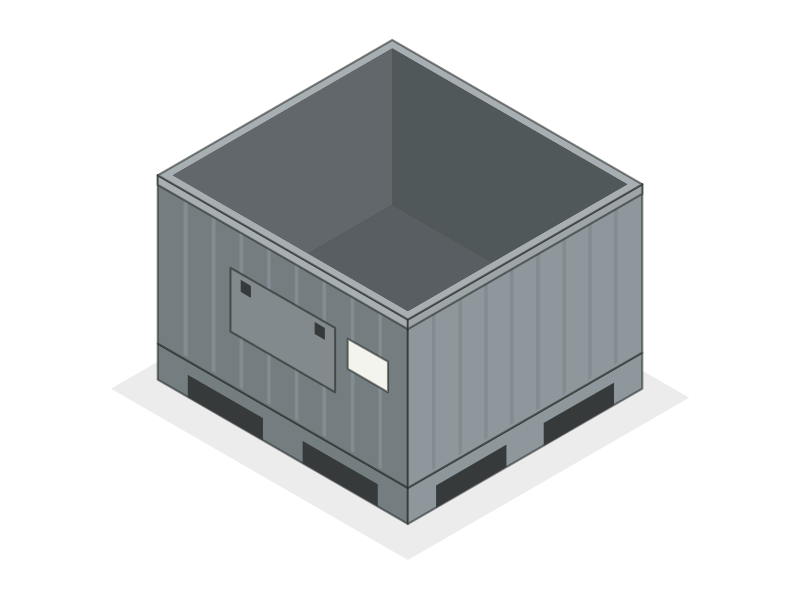 Automotive
48x45 collapsibles, drop doors and custom dunnage for supplier-to-plant parts loops.
-
 Growers and packhouses
Macro bins and vented harvest crates for field, orchard, cooler and packhouse.
-
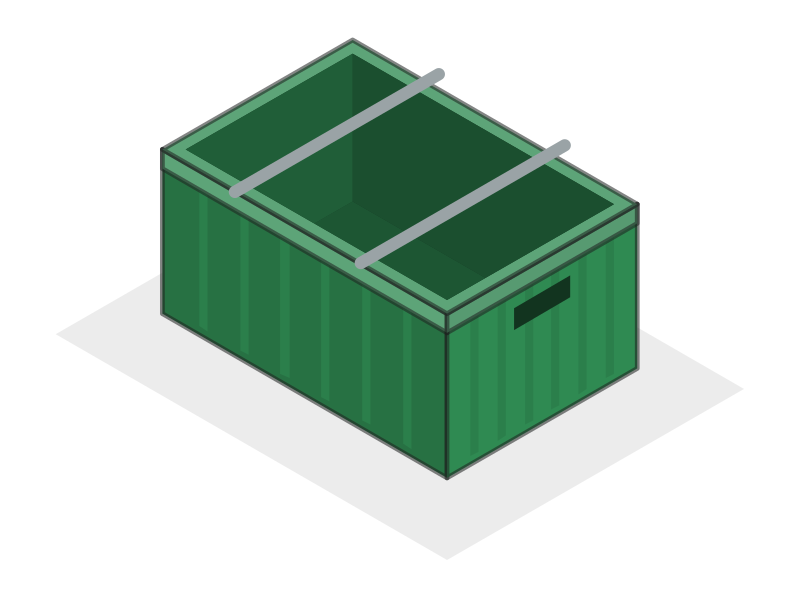 Food processing
Solid bulk bins and totes that handle washdown, with material documents checked first.
-
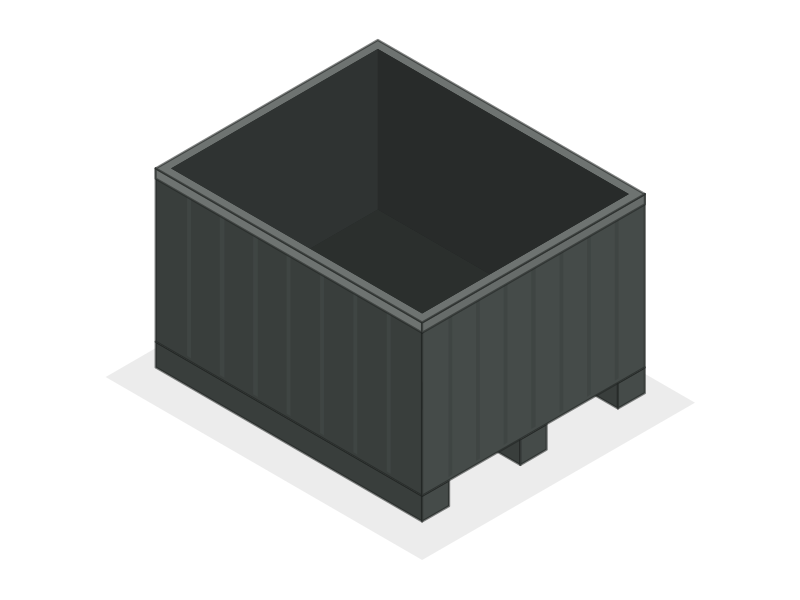 Meat and poultry
Leak-free solid-wall bins and tubs for trim, parts and cold-room handling.
-
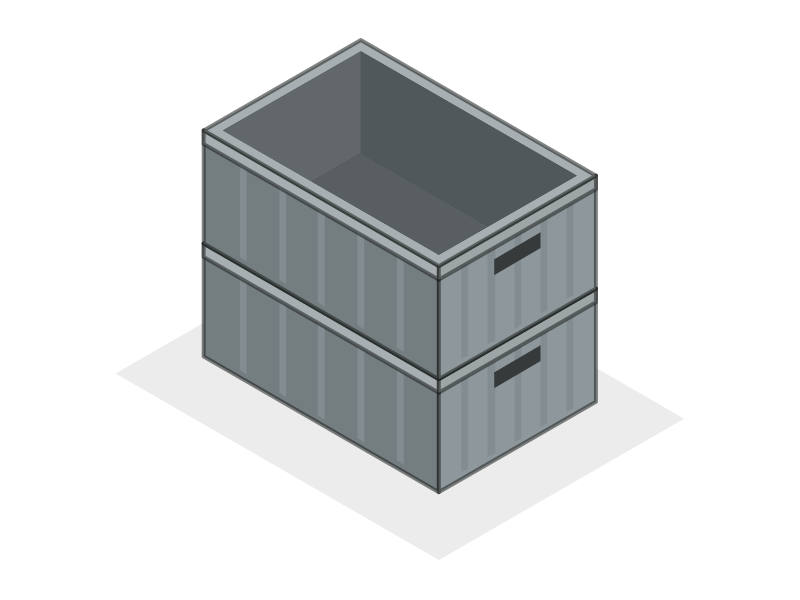 Seafood
Bins and totes that hold ice and brine, drain clean and take hard knocks on the dock.
-
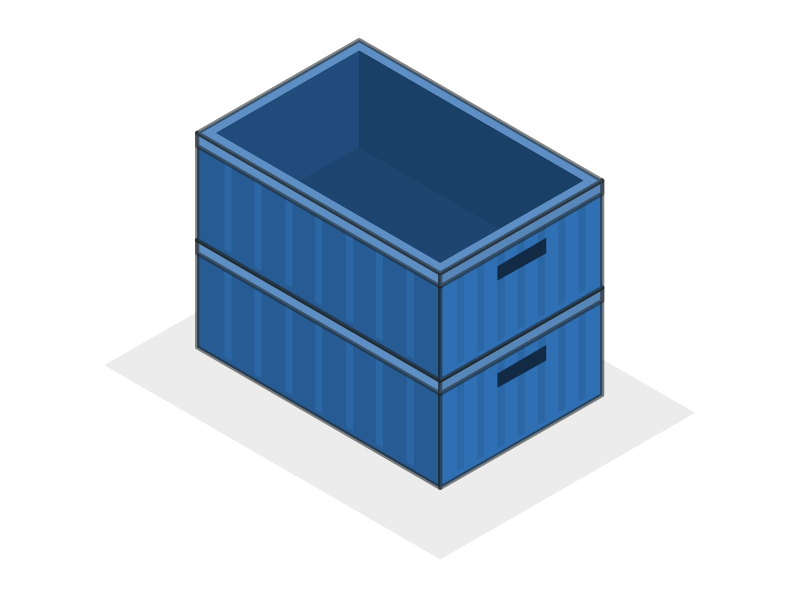 Beverage
Bottle and can crates, plus bulk bins for preforms, closures and ingredients.
-
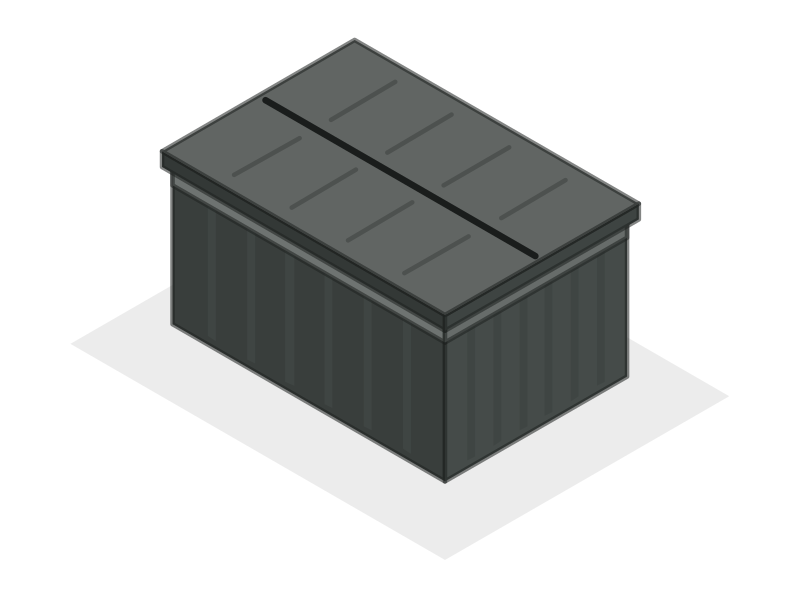 Distribution and 3PL
Nest-stack totes, attached-lid containers and 48x40 bulk units for picking and routes.
-
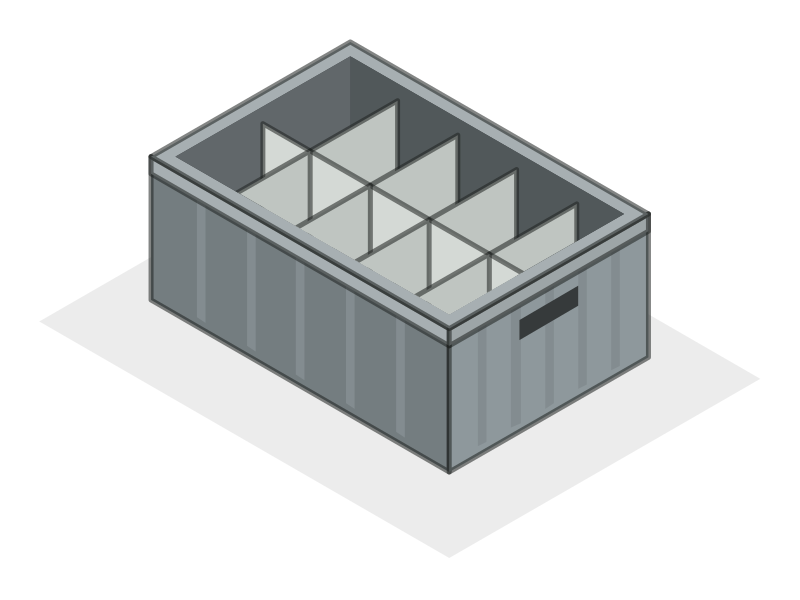 Manufacturing
Stacking crates and low heavy-duty bins rated for dense parts, chips and scrap.
-
Grocery and retail
Produce crates, sealed store totes and 48x40 units from DC to back room.
-
 Wholesale distribution
Warehouse bulk bins and route totes for mixed orders on daily delivery trucks.
Plants and parts: automotive and manufacturing
Automotive works to one standard footprint, 48x45, set by AIAG, and a trade column in Logistics Management describes collapsible containers on that size as widely used across the industry. Parts ride from supplier to assembly plant in folding bulk units with drop doors, often with custom dunnage holding each part in place, and the empties fold to cut return freight.
General manufacturing borrows the same kit at a smaller scale: stacking crates and straight-wall bins at workstations, rigid bulk bins under presses for scrap and chips, and collapsibles for plant-to-plant transfers. The deciding question is usually weight. Castings, fasteners and stampings fill a box's rated capacity long before they fill its volume, so these shops favor low, heavy-duty units.
Field, packhouse and plant: farm and food
Agriculture runs macro bins and vented harvest bins in the orchard and field, then vented hand-held crates in the packhouse. Airflow is everything here: product has to cool fast, and bins have to drain after rinsing. Bins also travel, which is a cost of its own. A 2005 USDA rule on South Florida avocados recorded the avocado committee's estimate that over 700 plastic field bins went missing in one season.
Food processing, meat and poultry, and seafood plants lean toward solid-wall bulk bins and tubs that hold brine, ice and trim without leaking, and that stand up to hot-water and chemical washdown. In these trades the container's history matters as much as its condition. We ask what a used bin held, and we point buyers to the maker's own material documents rather than vouching for food contact ourselves.
Moving goods: distribution, 3PL, wholesale and retail
Distribution centers and 3PLs live on hand-held totes: nest-stack totes for picking, attached-lid containers for store and pharmacy routes, and some bulk units for consolidating slow movers. One folding-container maker names distribution centers, 3PLs, HVAC and plumbing distributors and line-side supply as the users of its 48x40 model, which is a fair picture of where the pallet-size units land.
Wholesale distributors mix both scales, with bulk bins in the warehouse and totes on the route. Grocery and retail runs the 48x40 footprint, reusable produce crates on the sales floor and sealed totes from the DC to the back room. Beverage moves bottles and cans in stackable crates and shells built around the package, plus bulk bins for preforms, closures and ingredients.
Who runs what
| Industry | Containers most often run | What decides the choice |
|---|---|---|
| Automotive | 48x45 collapsibles, stacking crates, dunnage | Customer spec, part protection, return freight |
| Agriculture | Macro bins, vented harvest bins, field totes | Cooling, drainage, bin stacking in cold storage |
| Food processing | Solid bulk bins, nest-stack totes | Washdown, material documents, prior use |
| Meat and poultry | Solid-wall bins and tubs | Leak-free deck, sanitation, cold-room impact |
| Seafood | Insulated or solid bins, totes | Ice and brine, drainage plugs |
| Beverage | Bottle crates, bulk bins for components | Package fit, stacking under weight |
| Distribution and 3PL | Nest-stack totes, ALCs, 48x40 bulk units | Conveyor fit, nesting on the return run |
| Manufacturing | Stacking crates, low rigid bins, collapsibles | Rated capacity for dense parts |
| Grocery and retail | Produce crates, sealed totes | Display, tamper evidence, store returns |
| Wholesale distribution | Bulk bins and route totes | Mixed orders, durability on the truck |
The first question each trade asks
- Automotive buyers: does it match my customer's container exactly, down to door side and dunnage?
- Growers and packers: will it nest or stack with the bins I already have in the cooler?
- Processors and meat plants: what did this used bin carry, and what do the maker's documents say?
- Seafood docks: will it hold ice melt, and where does it drain?
- Beverage plants: does the crate cradle my bottle or can without rattling?
- Warehouses and 3PLs: will it run on my conveyor and nest on the trip back from stores?
- Fabricators: what is the rated load, and will the floor of the bin survive a forklift tine?
- Retail chains: can it be sealed, and does it look decent on the sales floor?
Crossing between industries
Used containers move between trades all the time, and that is where good value sits. A collapsible retired from a parts loop can carry bulky dry goods for a distributor. A rigid bin from a packhouse can hold scrap at a fabricator. The move rarely works the other way for food: a bin with an unknown or industrial past should not go back into a food plant, and we will not suggest it.
If your trade is not listed, describe the load. A bin does not care what the company makes, only what goes inside, how it is handled, and how far it travels empty. Start at container types or go straight to a quote.
Questions
Why does automotive use 48x45 instead of 48x40?
Because AIAG set 48x45 as the industry's standard footprint, and suppliers build dunnage, racks and lanes around it. Grocery and general distribution settled on 48x40.
Can a used automotive collapsible go into a food plant?
Generally not without clear documents and history. Parts containers can carry oils and residues; we steer them toward dry, non-food uses and say why.
Which industries sell the most surplus containers?
Surplus comes wherever programs end: vehicle and part launches wind down, distribution accounts move, crops change. We take offers from every industry on this page.
Do you work with farms as well as factories?
Yes. Orchards, vegetable growers, packhouses and cold-storage operators send requests alongside parts plants, breweries and warehouses. The container questions differ by trade, but every quote follows the same steps and the same written terms.
Sources
Figures on this page come from these pages, last reviewed 2026-11-08. Makers update their sheets; confirm a model's figures on its current sheet before you order.