Plastic crates and bulk containers, by type
We sort plastic crates and bulk containers into ten families, and the first split is size: hand-held crates and totes that one person lifts, or pallet-footprint bins that a forklift moves. The second split is what the box does when it is empty: stays rigid, folds down, or nests inside the next one.
- Families
- 10 container types
- Hand-held
- Crates, totes, ALCs, euro, produce
- Pallet-footprint
- Collapsibles, bulk bins, macro bins
- Common bulk footprints
- 48x40 and 48x45
- Conditions quoted
- New, used, refurbished
-
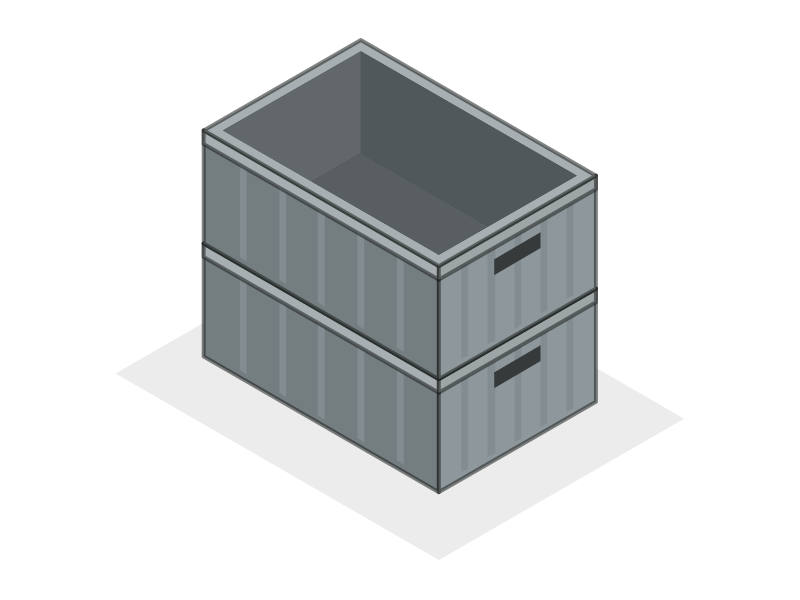
Stackable plastic crates
Rigid straight-wall crates for parts and kitting. Same size top to bottom, stack full and empty.
-
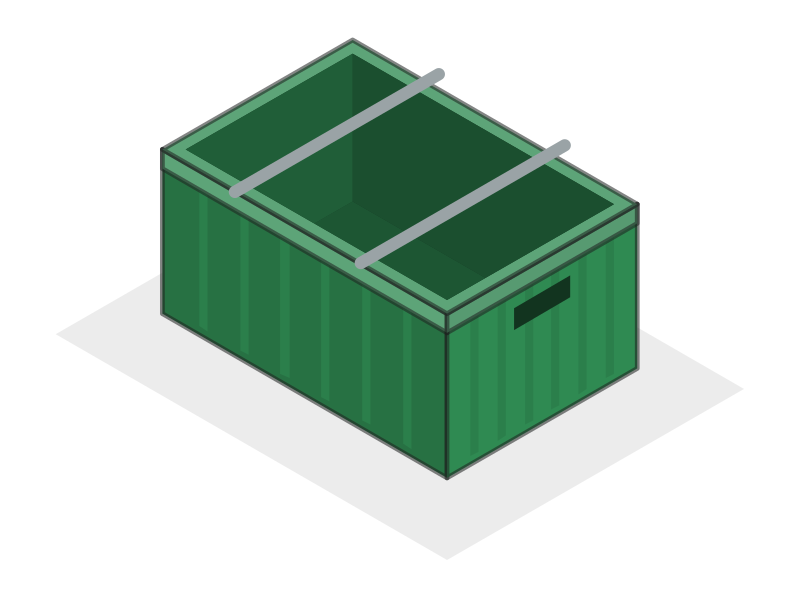 Stack and nest containers
Totes that stack full and nest empty with a 180-degree turn. Built for picking and delivery.
-
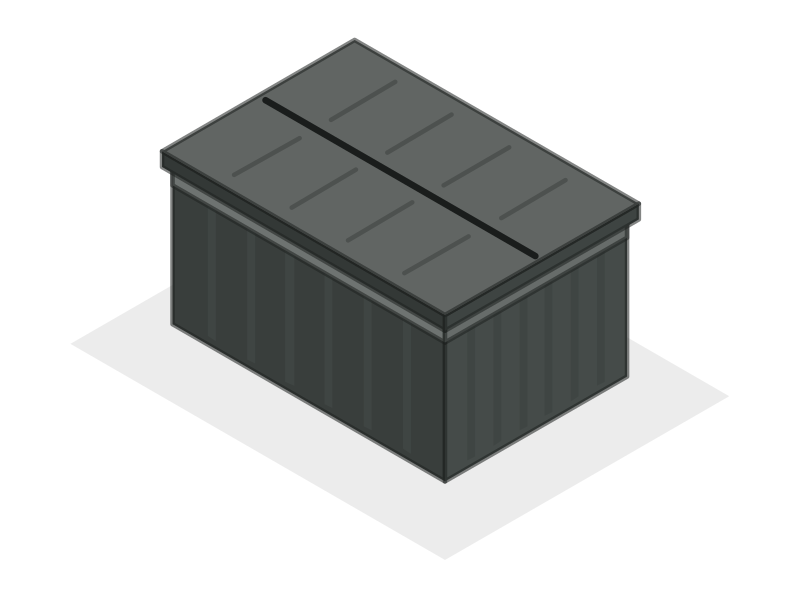 Attached-lid containers
Hinged two-flap lids that close for stacking and open to nest. Sealable for secure routes.
-
 Collapsible plastic crates
Hand-held crates with walls that fold flat on the base. Light, quick to set up, small to return.
-
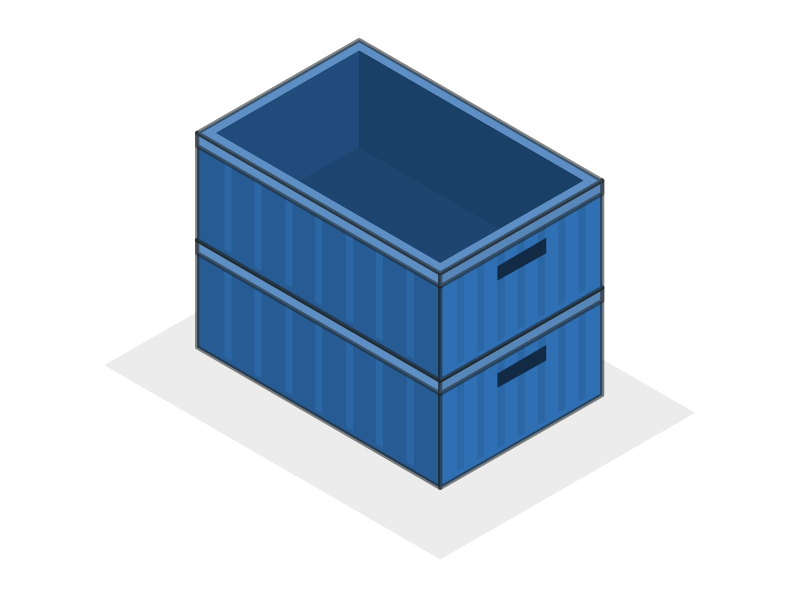 Euro stacking containers
Metric-module containers sized to divide a Euro pallet. Common in automotive and automated storage.
-
 Produce crates
Vented harvest and retail crates for fruit and vegetables. Cooling airflow, fold or nest when empty.
-
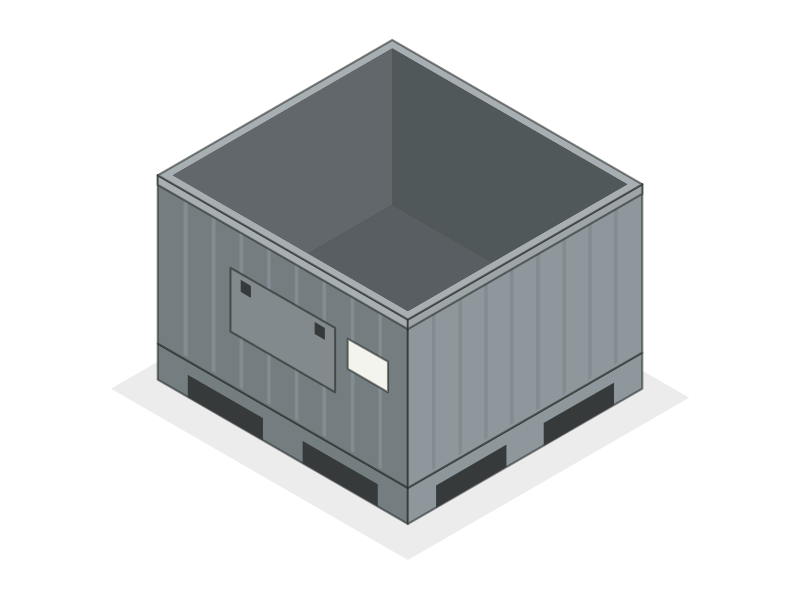 Collapsible bulk containers
Pallet-size bulk units with fold-down walls and drop doors. The 48x45 and 48x40 workhorses.
-
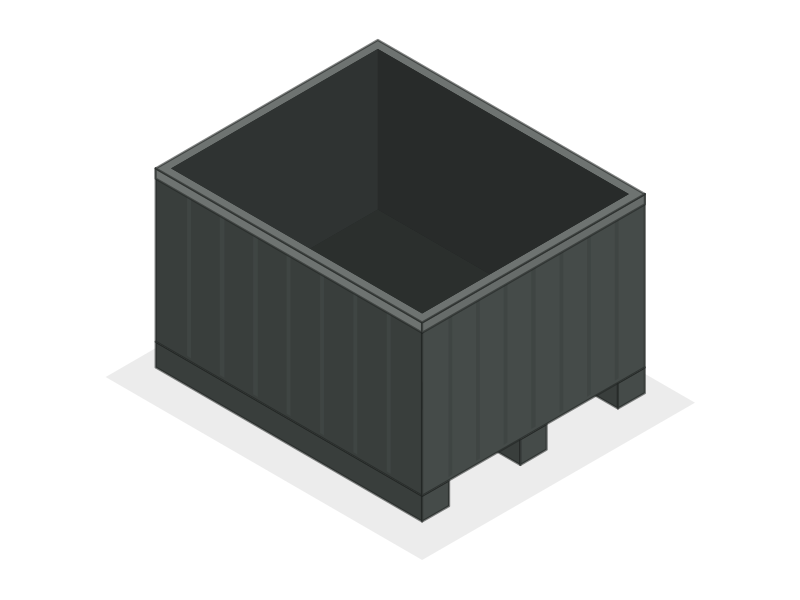 Bulk bins and pallet boxes
Rigid pallet-footprint bins for heavy, wet or loose loads. Solid or vented wall and deck.
-
 Macro and harvest bins
One-piece square harvest bins for apples, citrus, potatoes and more. Vented or solid.
-
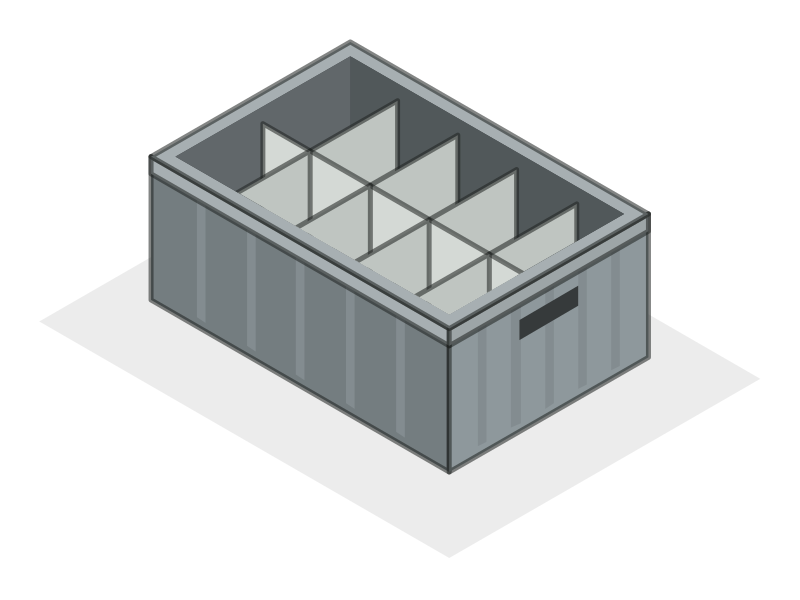 Lids, dividers and dunnage
Covers, dividers, partitions and inserts that fit the container and protect what is in it.
Hand-held or pallet-footprint
Start with how the load moves. If a picker, line operator or field crew carries it, you want a hand-held container: stacking crates, nest-stack totes, attached-lid containers, euro containers or produce crates. These are sized to divide a pallet, so several sit side by side in one layer, and they ride on conveyors, carts and shelving.
If a forklift or pallet jack carries it, you want a pallet-footprint container: collapsible bulk containers, rigid bulk bins or macro bins. The container is its own pallet, with a base that takes forks from two or four sides. Many programs use both sizes, with totes loaded inside a bulk unit for the long haul and pulled out at the line.
Rigid, collapsible or nesting: the empty trip
A full container earns its freight. An empty one is mostly air, so the return leg decides a lot of the cost. Rigid boxes come back at full height. Collapsible boxes fold their walls down onto the base, and makers state the gain as a return ratio: one ORBIS 48x40 sheet lists 2.7:1, which means close to three folded units in the space of one standing unit. Nesting totes drop inside each other when you turn them 180 degrees or open the lids.
None of these is better in general. Rigid bins carry heavy, wet or abrasive loads with fewer moving parts. Folding walls pay off when the empty run is long. Nesting is the cheapest way to send hand-held totes back, but nested totes must be turned or closed again before they will stack full. Tell us your lane and how far the empties travel, and we will point to the family that fits.
Vented or solid, and what is under it
Vented walls let cold air and water through, which matters for fruit, vegetables and anything washed or hydro-cooled. Solid walls keep small parts in and dust, drips and fingers out. The deck follows the same logic: a solid deck holds powders and fasteners, a vented or drain-hole deck sheds rinse water. Some bulk units offer either deck on the same footprint.
Then look at the base. A picture-frame base has a continuous rim at the bottom that spreads the weight on conveyors and racking. Runner and foot designs suit floor stacking and forklift handling. If the container will sit in pallet rack, say so, because the base style decides whether it rests safely on the beams.
Read every sheet for four more numbers: outside dimensions, inside usable height, tare (the empty weight, which counts against truck payload) and rated capacity. Resin matters too. High-density polyethylene shrugs off cold-room impacts; polypropylene tends to be stiffer and lighter. Ask about temperature range if the box goes into a freezer, a washer or a hot trailer in July.
Matching the family to the load
- Small parts on a line, fixed size, stays in a closed loop: stacking crates or euro containers.
- Order picking and store delivery with tamper evidence: attached-lid containers.
- Field harvest or packhouse with cooling: vented produce crates, or macro bins for bulk fruit.
- Automotive and industrial parts shipped between plants: collapsible bulk containers on the 48x45 footprint.
- Heavy scrap, meat trim or wet product: rigid bulk bins with a solid wall and deck.
- Mixed loads that need protection inside the box: add dunnage and lids to any of the above.
The ten families side by side
| Type | What it's for | Common footprints | Empty return |
|---|---|---|---|
| Stacking crates | Parts, line-side kitting, closed-loop shipping | Fractions of a 48x45 or 48x40 pallet | Rigid; returns at full height |
| Nest-stack totes | Distribution, picking, store delivery | Hand-held sizes that tile a pallet layer | Nests with a 180-degree turn |
| Attached-lid containers | Secure picking, pharmacy, retail routes | Hand-held, sized for totes on carts | Nests with lids open |
| Collapsible crates | Produce, retail, light parts | Hand-held, often metric | Walls fold flat |
| Euro containers | Automotive small parts, automated storage | 600 x 400 mm module and its fractions | Mostly rigid; folding versions exist |
| Produce crates | Harvest, packhouse, retail display | Hand-held, vented | Fold or nest, by design |
| Collapsible bulk containers | Plant-to-plant parts, distribution | 48x45, 48x40 and larger | Fold to a fraction of height |
| Bulk bins | Heavy, wet or loose bulk | 48x40, 48x45 | Rigid; stacks empty |
| Macro bins | Fruit and vegetable harvest and storage | Square, close to pallet size | Rigid one-piece; stacks empty |
| Dunnage and lids | Protection, separation, covers | Made to the container | Ride with the box or lie flat |
New, used and refurbished in every family
Every type on this page can be quoted new from a maker's sheet, used from a surplus lot, or refurbished. Used containers carry a grade: A for clean, sound boxes with light wear, B for working boxes with scuffs, labels or minor repairs, C for boxes that still hold a load but look it. ORBIS says it grades its own returned containers A, B or C by condition rather than retiring them by age, and we use the same plain scale.
If you are not sure which family you need, describe what goes in, how it is handled, and where the empties go. See container sizes by footprint for the dimensions, or send it straight to a quote.
Questions
Which plastic container type should I start with?
Start with handling: hand-held if people carry it, pallet-footprint if a forklift does. Then choose rigid, folding or nesting by how far the empties travel, and vented or solid by what goes inside.
Are collapsible bulk containers weaker than rigid bins?
Not as a rule. Makers rate many collapsibles in the same range as rigid bins, with one ORBIS 48x40 unit listed at 2,000 lb. The hinges and doors are extra parts to inspect on used units, which is why grade matters more for folding boxes.
Can I mix hand-held totes and bulk containers in one program?
Yes, and many plants do. Totes sized to tile the bulk footprint can ride inside a collapsible on the long haul, then move to the line by hand. Give us both sizes and we check that they fit together.
Sources
Figures on this page come from these pages, last reviewed 2026-11-08. Makers update their sheets; confirm a model's figures on its current sheet before you order.