Sell surplus harvest bins
We buy surplus plastic harvest bins from growers, packhouses and cold-storage operators. Tell us the bin size, whether it is vented or solid, the runner style, the count, the condition and what it held, send a few photos, and we'll make an offer for the lot with a pickup plan.
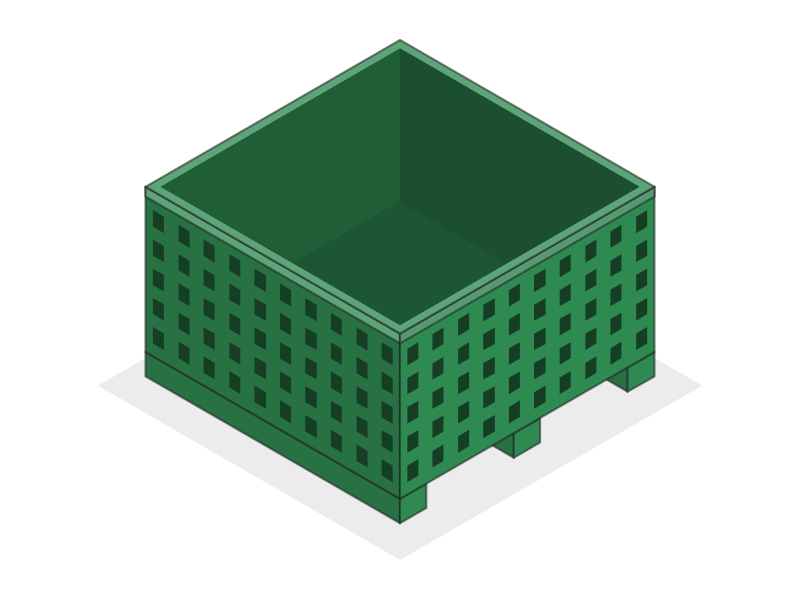
- We buy
- Plastic macro and field bins
- From
- Growers, packhouses, cold storage
- Key details
- Size, wall, runners, count, crop
- Pickup
- Planned around your yard
Why growers sell bins
Yard space. Empty one-piece bins take the same room as full ones. After a crop changes, an orchard comes out or a packer switches bin models, the old stacks sit in the yard taking ground you need for something else.
The season. Bins earn their keep for part of the year and wait the rest of it. Selling the extras between seasons turns idle plastic into cash and clears room before the next harvest stacks arrive. We don't set your calendar; tell us when the yard needs to be clear.
Changing equipment. A new bin filler, dumper or cold room can call for a different footprint or height. Bins that no longer fit the line are still good to someone running the old size.
Consolidation. Farms merge, a family steps back from a block, or a packhouse moves its receiving to a co-op that supplies its own bins. Whatever the reason, the stacks are surplus, and surplus is what we buy.
Plastic bins hold their value
Field bins are a real asset, not packaging you throw away. A 2005 USDA Agricultural Marketing Service rule on South Florida avocados recorded the industry committee's estimate that a plastic field bin cost about $150 then, against about $10 for a cardboard one, and that owners lost more than 700 bins in a season. Prices today differ, but the point holds: a sound plastic bin is worth tracking and worth selling when you no longer need it.
What to tell us
- Size: outside length, width and height. A tape measure beats a model name you're not sure of.
- Vented or solid: slotted walls and floor, or closed. Some bins are vented on the floor only.
- Runners: two or three skids, four-way feet, or a flat picture-frame base, and whether any are broken or worn.
- Count, and how many of those you'd call damaged.
- Condition: cracked corners, broken rims, faded or chalky walls from sun.
- What they held: apples, pears, citrus, potatoes, onions, carrots, grapes, nuts or something else. Note any treatment, chemical contact or non-food use.
- Maker name if molded on the side.
- Lids, if any, and how many.
- Location and loading: city and state, and whether a forklift can load a trailer on site.
Vented, solid and runner styles
Vented bins move air for fruit in controlled-atmosphere and forced-air rooms and let wash water drain; they go back mainly to growers and packers. Solid bins hold small product and liquid, so they also sell into processing, recycling and industrial work. Both have buyers; the wall decides which.
Runner style matters to the buyer's equipment. A bin on two long skids may not sit right on a roller conveyor built for a different base, and some dumpers grab a specific profile. Clear photos of the underside answer most of these questions before a buyer has to.
| Bin type | Common next use | Likely next owner |
|---|---|---|
| Fully vented walls and floor | Tree fruit, citrus, stone fruit, hydrocooled vegetables | Orchards, packing sheds |
| Vented floor, solid walls | Root crops, storage potatoes, squash | Vegetable growers, storage operators |
| Fully solid | Diced or shredded produce, brined product, byproducts | Processors, juicers, feed and compost yards |
| Any type with matching lids | Outdoor holding, covered transport | Farms, nurseries, municipal and industrial users |
Photos and getting the yard ready
Send a wide shot of the stacks so we see the count and how they're stored, one empty bin from a corner, its underside, the maker mark, and the worst damage in the lot. Daylight is best. If the bins are mixed, one photo per type with a rough count of each saves a round of questions.
Before the truck comes, sort good bins from broken ones, group each type together, and leave a clear lane with turning room for a tractor-trailer. A forklift with tines long enough to reach under the bin is the usual loader. Branded or stenciled names on the walls are fine; tell us so the next owner knows to expect them.
How the offer works
We look at size, wall type, count, condition and freight distance, then send a written offer for the lot. Matched bins in good shape from one model bring the most. Broken bins can still have value as recycling, and we'll say whether they're included or not.
Pickup is planned around your yard and crew: trailer size, loading time, and whether we take everything or only the sound bins. Payment terms are agreed in writing first. See how selling works for the full steps, and used bulk bins for what buyers check.
Questions
Do you buy wooden bins?
No. We buy plastic harvest and macro bins. Wood bins are usually handled locally by growers or pallet recyclers.
Do my bins need to be washed before you buy them?
No, but knock out leaves, soil and fruit. A clean bin photographs better and grades higher, and it tells the next buyer what it held.
Will you buy cracked or broken bins?
Sometimes. A bin with a cracked rim may still be useful; one with a split base is usually recycling value only. Tell us how many and we'll say what's included in the offer.
Can you take only part of my bins?
Yes. Many growers keep their best bins and sell the extras. Tell us how many you want to keep and we'll offer on the rest.
Sources
Figures on this page come from these pages, last reviewed 2026-11-08. Makers update their sheets; confirm a model's figures on its current sheet before you order.